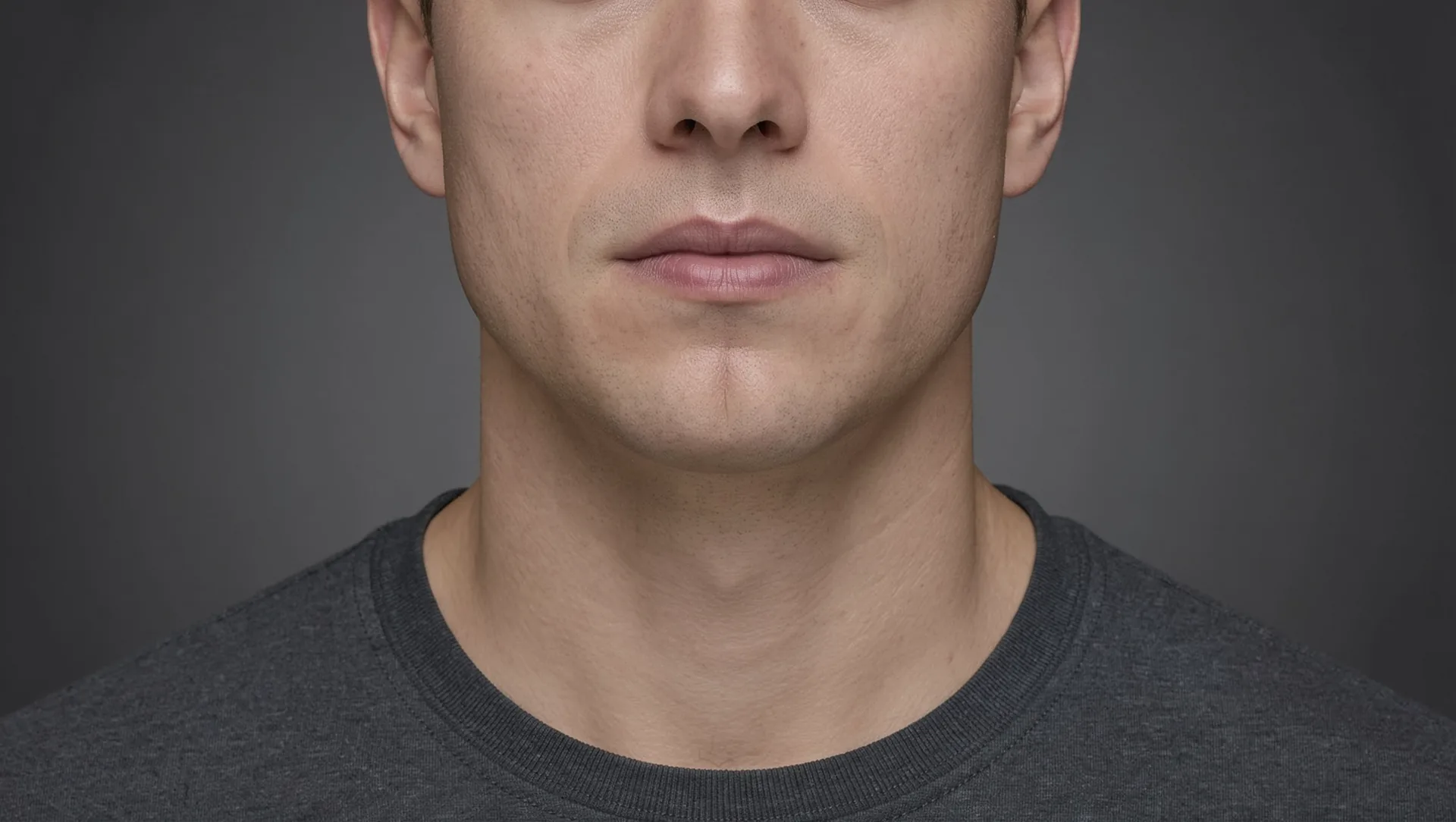
In short: a cleft chin (also called a chin dimple or butt chin) is a vertical groove in the middle of the chin. It can involve four layers: the bone, the muscle, the fat under the skin and the skin, although not always all four. I treat it when it has a bony origin, which is usually the case in the most marked ones, and normally as part of a chin contouring. Surgery always improves it, but I can't promise that it will disappear completely.
Some people like their cleft chin and others want it gone. If you are in the second group, the first question is not which technique to use but what is causing it, because a groove in the bone and a groove in the soft tissues are treated differently. This guide explains how I tell them apart and what chin surgery can do for each.
What a cleft chin is, and why it appears
A cleft chin is a vertical dimple or groove in the centre of the chin. It is not a defect: it's a variation in how the chin formed. Genes have a strong influence on it, but it isn't controlled by a single gene, as was once taught. Children of parents with a cleft chin have it more often, and its frequency varies a lot between populations (McDonald, University of Delaware).
Part of the explanation is in how the face develops: the jaw forms from two halves that stay separate until about the eighth week of pregnancy, when they join in the middle (The Tech Interactive). The groove sits exactly on that midline.
Bone or soft tissue: how I tell
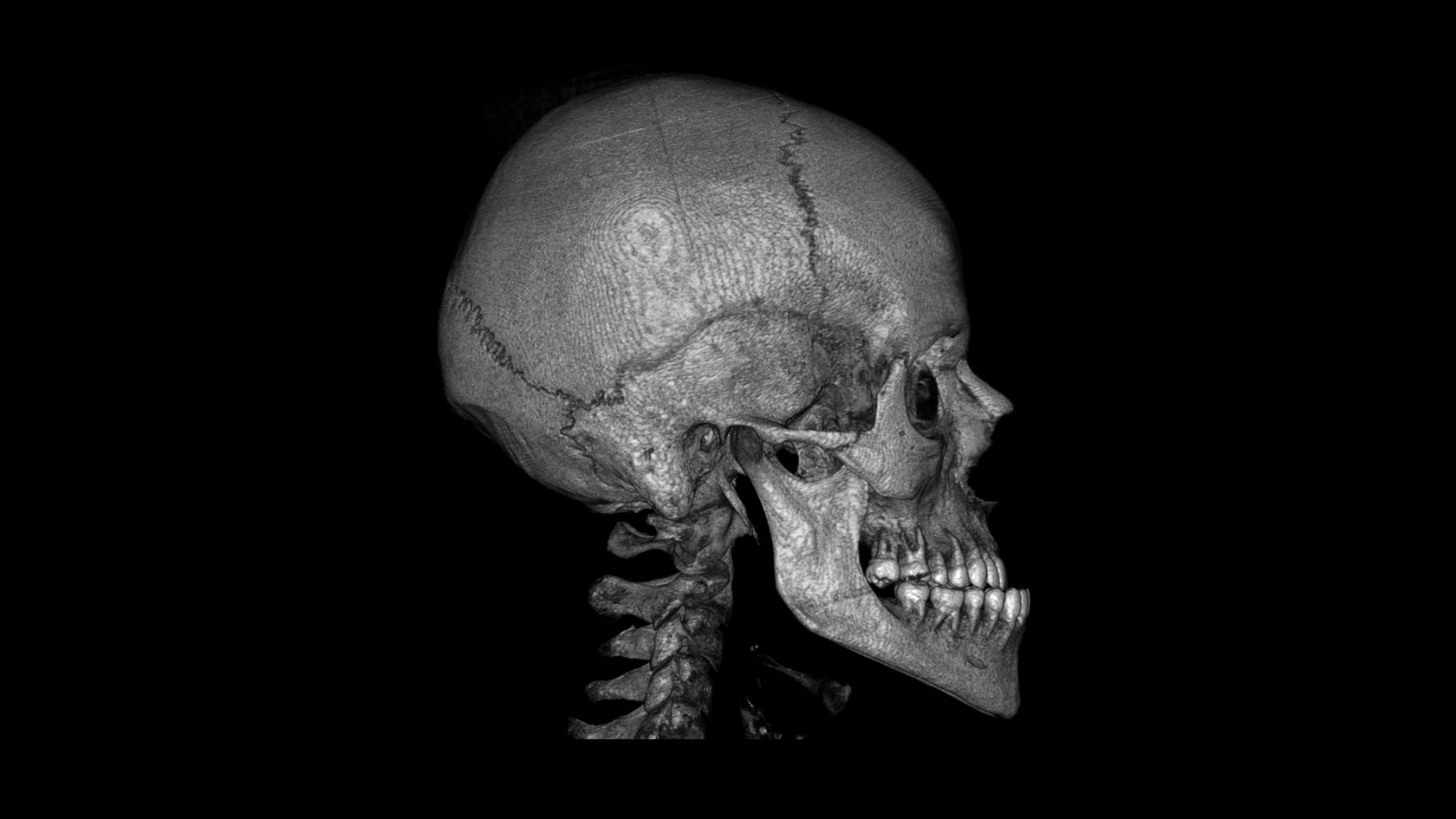
A cleft chin can involve four layers: the bone, the chin muscle, the fat under the skin and the skin itself. Sometimes all four are involved and sometimes only some of them. The most marked clefts usually have a bony origin, with a notch in the centre of the chin bone and the soft tissues following it.
I tell them apart with a physical examination and, when needed, a CT scan. That decides whether surgery makes sense: I treat the cleft chin when it has a bony origin.
How I treat it
The treatment combines work on each layer involved:
- Bone. I sculpt the bone and, when needed, cut and reposition it (osteotomies) to change the shape of the chin. Sometimes it's possible to graft bone into the notch, or to advance the chin if it also needs it.
- Muscle. I release the fibrous attachment of the chin muscle that pulls the skin inwards, and suture the muscle back together in the midline so that it works as one continuous muscle.
- Fat under the skin. I also work on this layer during the operation.
- Skin and superficial layers. When all the layers are involved, the most superficial ones need further treatment with fat or hyaluronic acid filler a few weeks after the operation.
Everything is done through an incision inside the mouth, so there is no scar on the face. We plan the bone work on your CT scan, as we explain in 3D surgical simulation.
Usually, as part of a chin contouring
I normally treat a cleft chin within a wider chin contouring, when the chin also needs another change: more or less projection, a different shape or a different width. It's rare for someone to want bone surgery only to fill the dimple. If you are weighing up the options for your chin, read genioplasty or chin implant and, for a squarer, more masculine chin, implant or bone when masculinizing the chin.
If you want to keep it
Many people want to keep their cleft chin, including patients having facial feminization surgery. I always respect that wish. If we operate on the chin for another reason, the plan takes the dimple into account so that it stays.
Risks and recovery
The risk of a change in lip sensation is very low. Because I work on the chin muscle, a change in how it moves can occur, which is why I reconstruct it carefully. And the dimple may persist: I can't promise it will disappear, although it always improves.
Plan on a few days off work, a week at most. You can lead a normal life from the first day, and the stitches inside the mouth dissolve on their own.
How much it costs
I don't treat the dimple as a separate procedure: it's a genioplasty, adapted to what your chin needs. At ARQÉA, in Barcelona, a genioplasty costs €6,000, with general anaesthesia and the hospital included. I give you the final price for your case at the consultation. You can see the rest of our prices in the price calculator.
Frequently asked questions
What causes a cleft chin?
It's a variation in how the chin formed. The jaw develops from two halves that join in the midline, and genes have a strong influence on whether a groove remains, although no single gene decides it. It can involve the bone, the muscle, the fat under the skin and the skin.
Is a cleft chin genetic?
Genes have a strong influence: children of parents with a cleft chin have it more often. But it isn't inherited through a single gene, so two parents without one can have a child with one.
Can a cleft chin be removed?
It can be improved with surgery when it has a bony origin. I combine work on the bone, release and repair of the chin muscle, and work on the fat under the skin. I can't promise it will disappear completely, but it always improves.
Can a cleft chin be fixed without surgery?
When the cleft comes from the bone, filler alone doesn't correct the notch in the bone. Fat or hyaluronic acid filler is used to finish the superficial layers a few weeks after the operation.
Does cleft chin surgery affect lip sensation?
The risk of a change in lip sensation is very low. A change in how the chin muscle moves can occur, which is why it is carefully reconstructed.
Is cleft chin surgery done on its own?
Usually it's part of a wider chin contouring. It's rare for someone to want bone surgery only to fill the dimple.
Can I keep my cleft chin during facial feminization surgery?
Yes. I always respect that wish, and the plan for the chin takes the dimple into account so that it stays.
References
- McDonald JH. Myths of Human Genetics: Cleft Chin. University of Delaware
- Markley P. What causes cleft chin? The Tech Interactive, Ask a Geneticist. 8 June 2023
As I always say, this article is for general information and doesn't replace an individual medical assessment.
→ Book your free consultation now