Orthognathic surgery in Barcelona
Single-jaw, double-jaw, triple-jaw and SARPE with Dr. Javier Gutiérrez, co-founder of MIOS Academy, planned in 3D and done from inside the mouth.
Medically reviewed by Dr. Javier Gutiérrez. Updated November 2026.
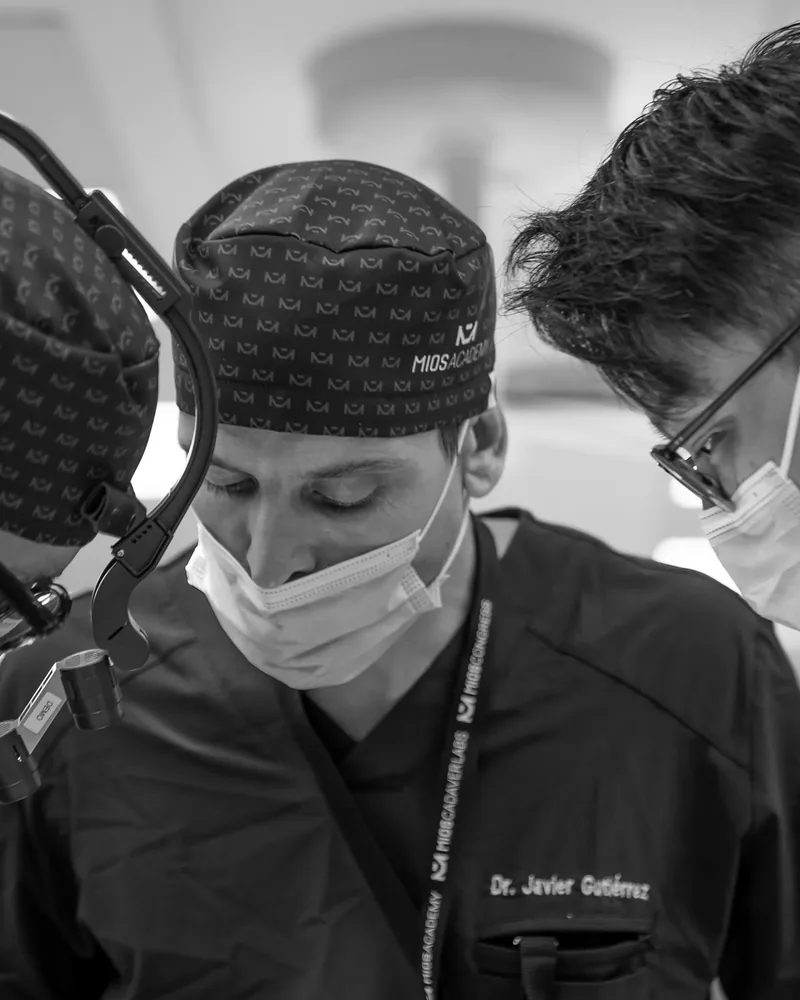
- €12,000
- Double-jaw, standard technique. Single-jaw €6,500
- No scar
- Visible on the face: all incisions are inside the mouth
- 3D plan
- On your CT scan, with custom guides and plates as an option
- 3 to 4 weeks
- Recommended time off work
- 500+
- Orthognathic cases operated on by Dr. Gutiérrez
Orthognathic surgery moves the upper jaw, the lower jaw or both to correct how your teeth meet and to rebalance the middle and lower face. At ARQÉA Dr. Javier Gutiérrez performs it from inside the mouth, with no visible scars, planned in 3D on your CT scan and with a minimally invasive approach (MIOS). Single-jaw surgery costs €6,500, double-jaw €12,000, triple-jaw €13,500 and SARPE €4,000, all-inclusive. Most people need 3 to 4 weeks off work.
Who it is for, and what it corrects
Orthognathic surgery is indicated when the problem is the position of the bone, not the teeth alone. Its indication is functional, and it usually changes the face as well, sometimes a great deal.
- BiteThe lower jaw set back (class II) or forward (class III), and open bites where the front teeth do not meet.
- AsymmetryA jaw or chin that is off-centre because of the bone.
- Gummy smileWhen the cause is an upper jaw that is too long. We explain it in our post on gummy smile.
- Narrow upper jawIn adults, it is widened with SARPE, or by segmenting the upper jaw during orthognathic surgery, when an expander alone (MARPE) is not enough.
- BreathingSome cases of sleep apnoea of skeletal origin. When it is indicated, surgery is the only treatment that cures it: a CPAP machine relieves the symptoms.
The bone must have finished growing.
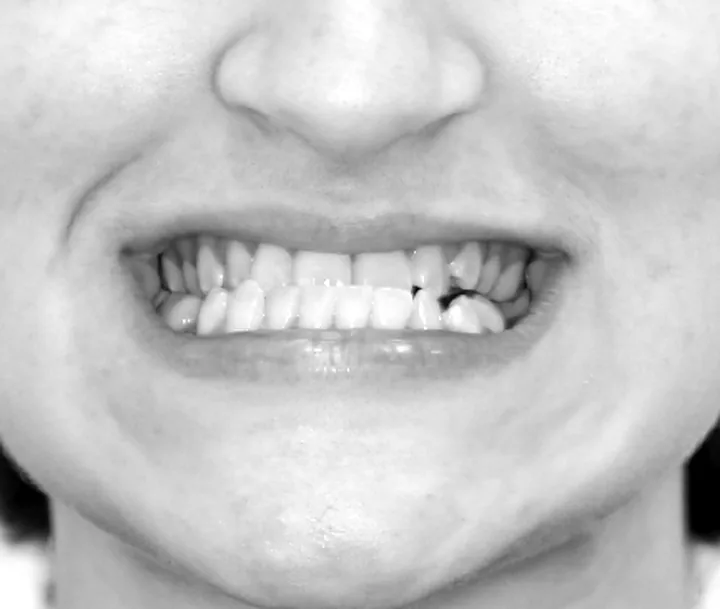
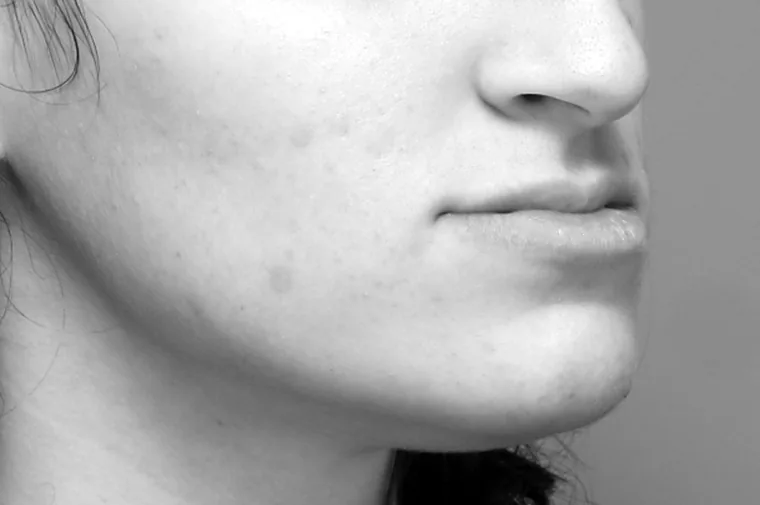 Before
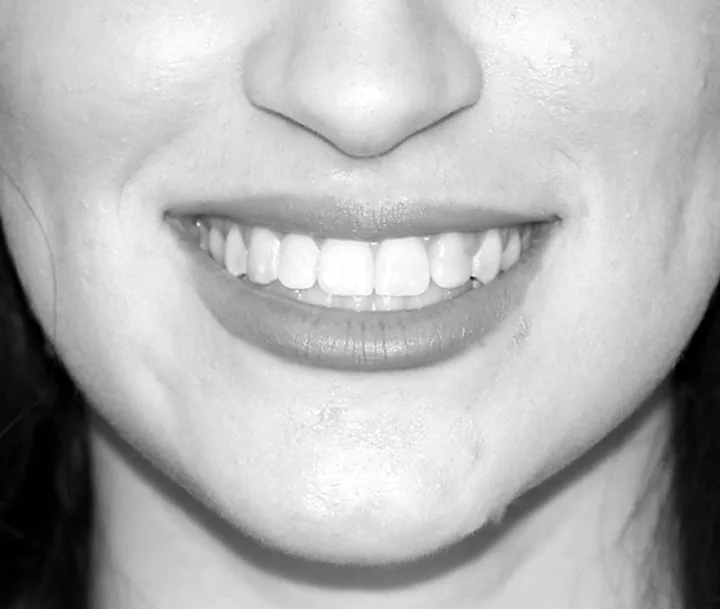
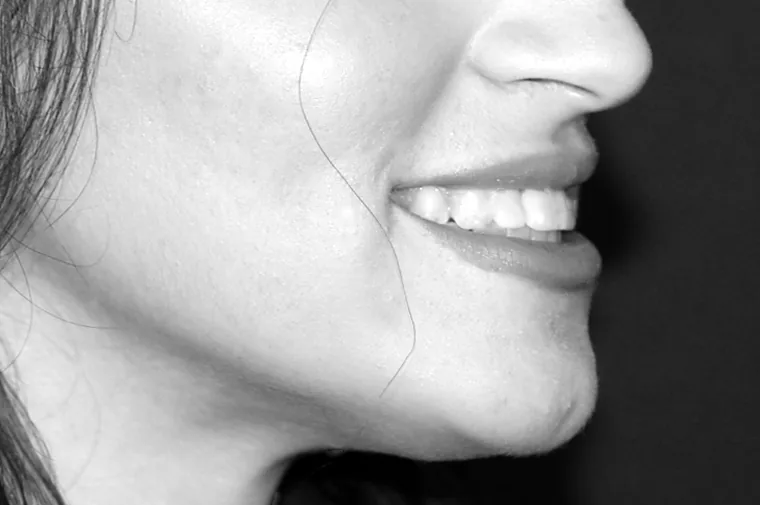 After
Single-jaw, double-jaw, triple-jaw or SARPE
Which one you need is decided on your CT scan and your 3D plan, not by the complaint you come with. The four are done by Dr. Gutiérrez, from inside the mouth and under general anaesthesia.
| Procedure | What it moves | When | Price |
|---|---|---|---|
| Single-jaw | The upper jaw (Le Fort I) or the lower jaw (sagittal split) | When the problem is in one jaw, for example a gummy smile caused by the bone | €6,500 |
| Double-jaw | Both jaws, in the same operation | When the bite and the balance of the face depend on both jaws | €12,000 |
| Triple-jaw | Both jaws and the chin (genioplasty) | When the chin needs its own movement | €13,500 |
| SARPE | Widens the upper jaw | In adults with a very narrow upper jaw, when MARPE is not enough, on its own or before orthognathic surgery | €4,000 |
SARPE
SARPE (surgically assisted rapid palatal expansion) releases the upper jaw with small cuts inside the mouth. Your orthodontist then opens an expander a little every day, and the bone fills the gap. In adults, once the suture of the palate has closed, it cannot be widened with an expander alone. It is usually a day case, and when orthognathic surgery is also needed it is done 6 months to a year before.
Prices are for the standard technique. Custom cutting guides and plates, and segmenting the upper jaw, increase the quote.
Minimally invasive orthognathic surgery (MIOS)
Conventional orthognathic surgery lifts the muscles and soft tissue widely to reach the bone. The MIOS approach reduces that dissection to the minimum necessary and preserves the muscle attachments and blood supply whenever the technique allows. Less dissection means less bleeding and less swelling, and preserving the blood supply helps the bone heal, which means more stability in the long term.
Planned before theatre
The movement of each jaw is designed on your own 3D model, in all three planes of space. There are two ways to take that plan into theatre.
1. Standard technique, with splints. A splint is a wafer that fits between the teeth, and two are used. The intermediate splint positions the first jaw operated on against the one not yet operated on. The final splint then positions the second jaw against the first. Both are based on the position of the teeth.
2. Custom guides and plates. The upper jaw always goes first. Cutting guides mark exactly where the bone is cut and where the plates go, and the titanium plates are made for your case with the planned movement already built in. Once the plates are fixed, the bone is where the plan put it. This is the option Dr. Gutiérrez recommends, for its precision. If you need to keep the cost down, only the upper jaw can be made custom, since it is the one that sets the new position of the lower jaw, or the standard technique can be used.
Orthodontics adapted to you
Not every case needs months of braces before surgery. We work with surgery first, surgery early or surgery only protocols when your case allows, and with aligners, aesthetic or conventional braces. We explain it in our post on minimally invasive orthognathic surgery.
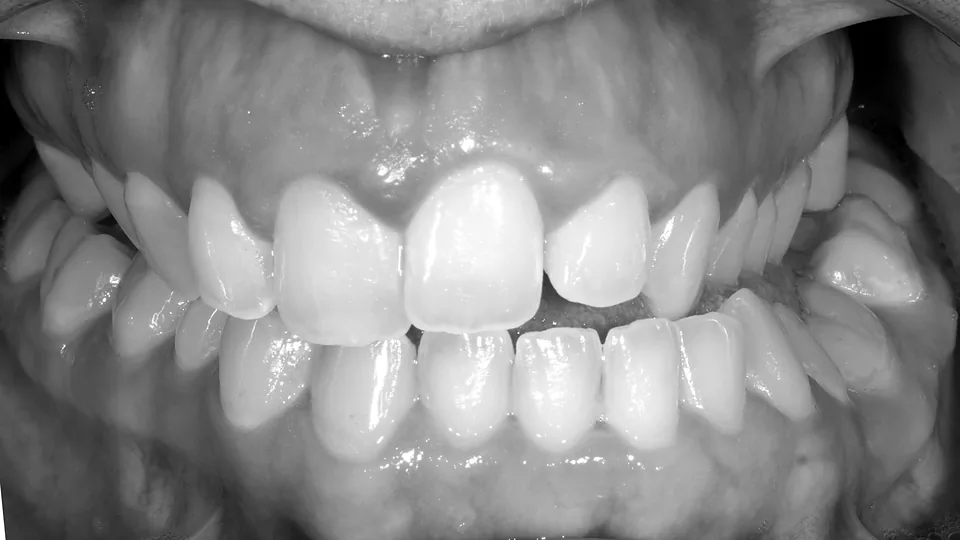
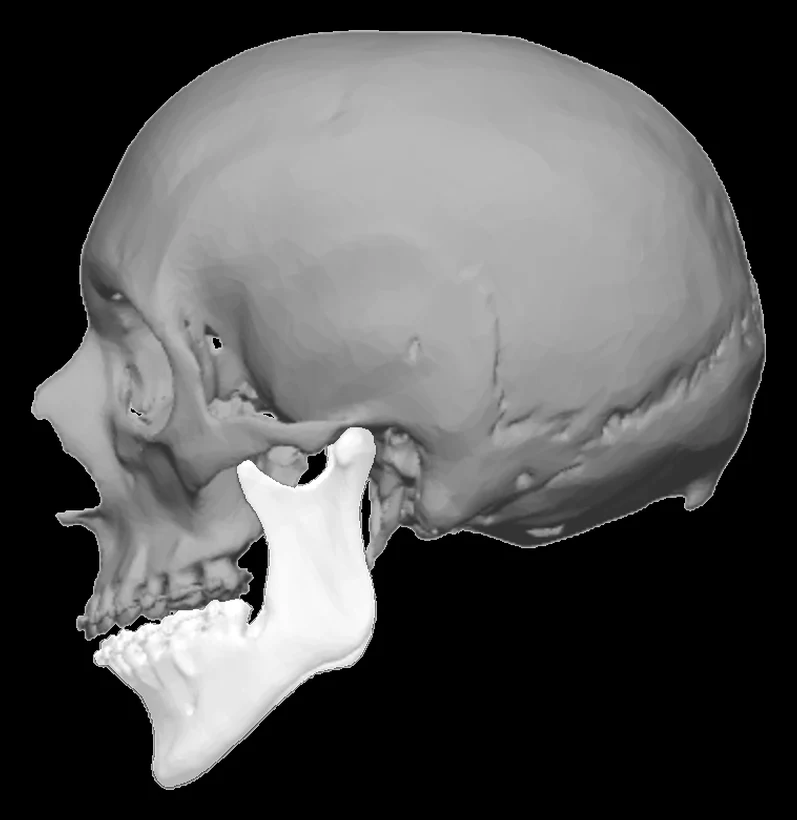 Before
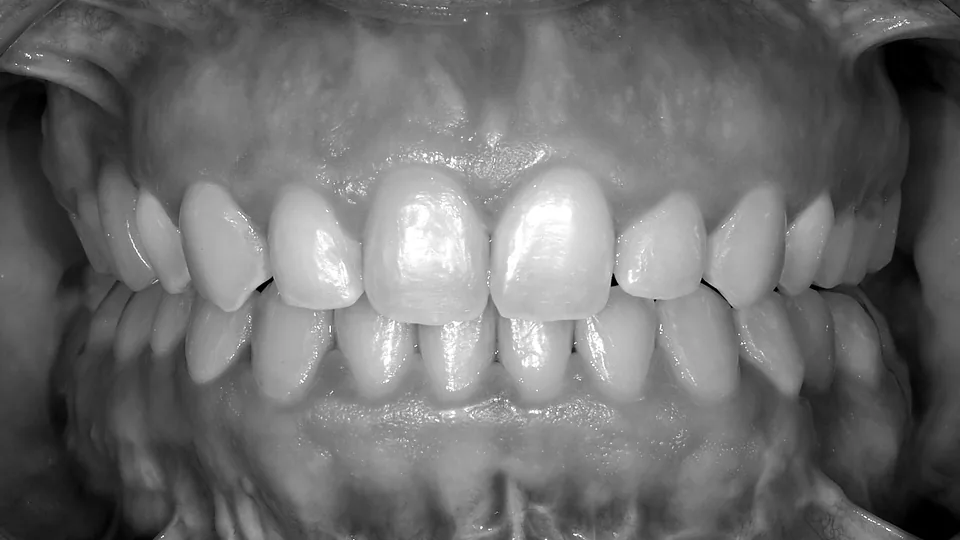
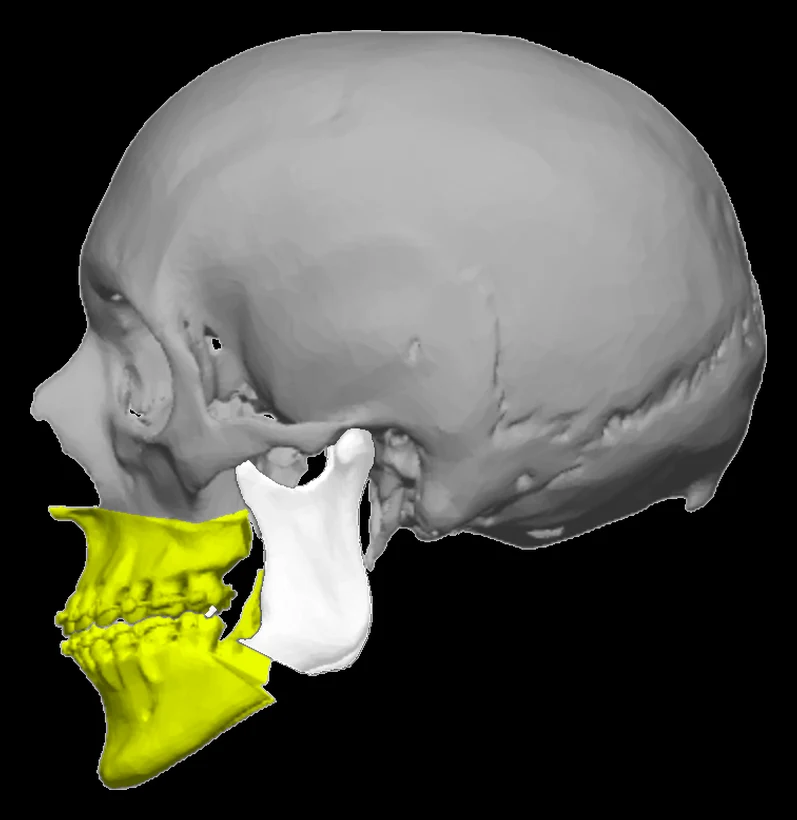 Plan
- IncisionsAll inside the mouth. No scars on the face.
- Upper jaw firstWith custom guides and plates, the upper jaw is always fixed first and the lower jaw follows it.
- AnaesthesiaAn ERAS (enhanced recovery after surgery) protocol, aimed at pain and nausea after surgery.
- With the chinIf the chin also needs contouring, it is done first, as described in our published paper.
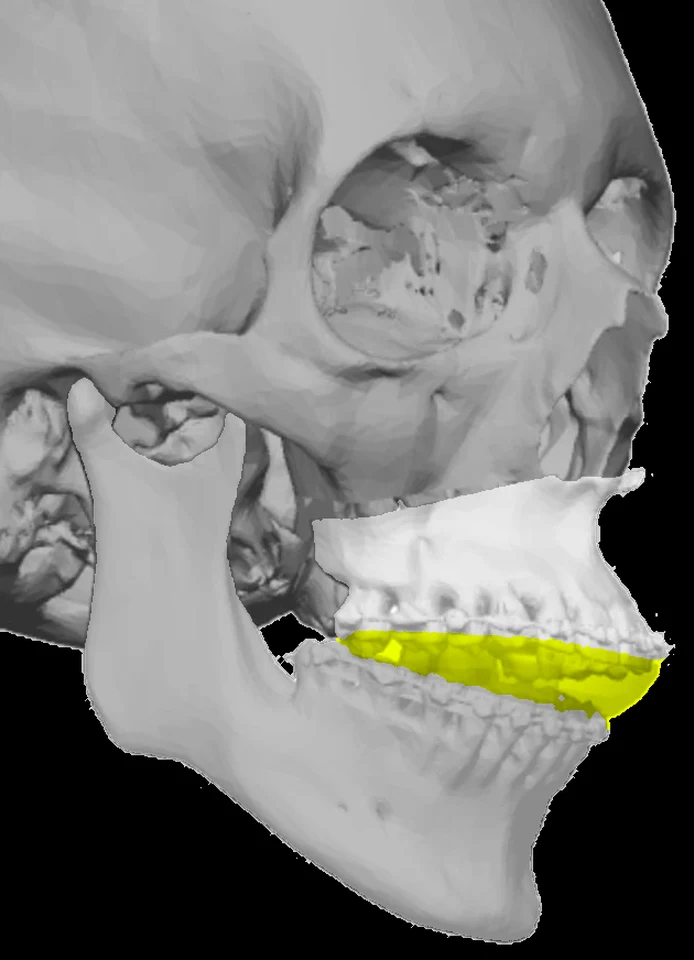 Splint
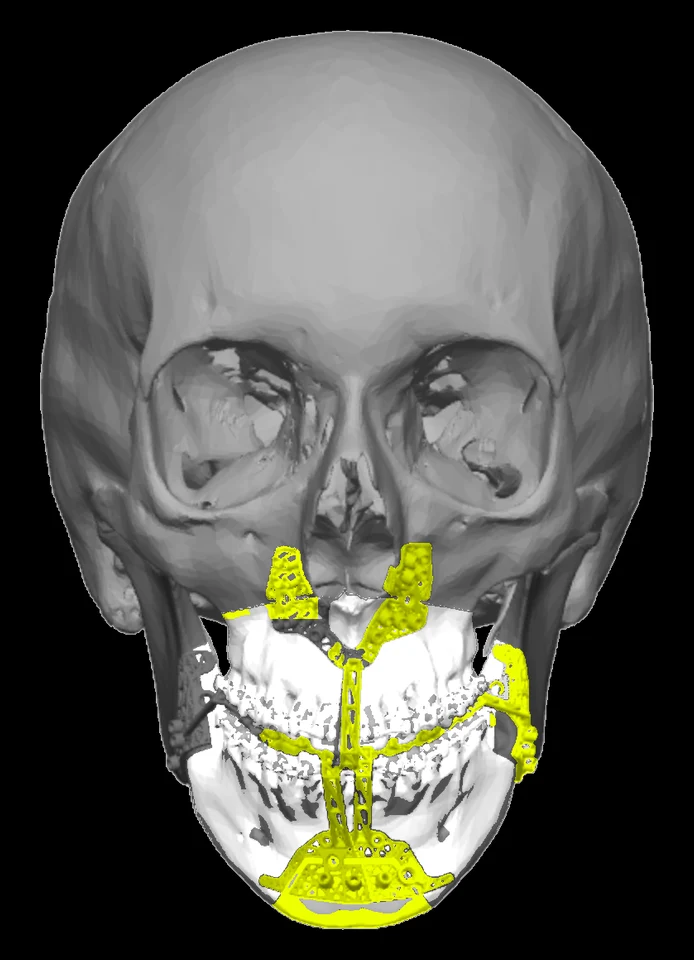 Guides
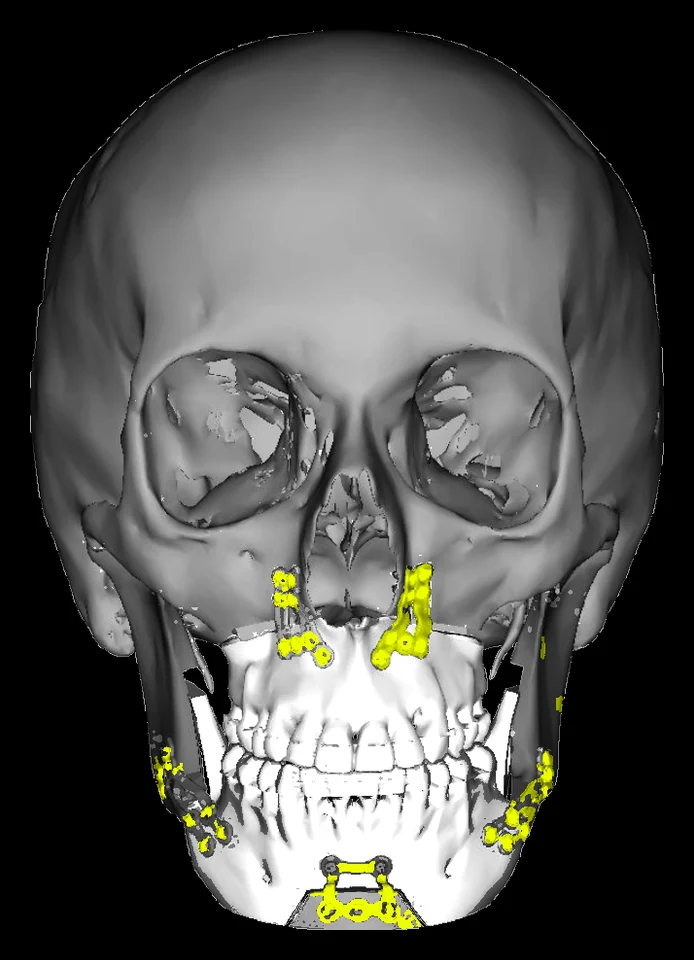 Plates
The technique Dr. Gutiérrez teaches to other surgeons
Dr. Gutiérrez is co-founder of MIOS Academy, a training platform in minimally invasive orthognathic surgery for oral and maxillofacial surgeons and residents. The approach he uses at ARQÉA is the one he teaches there.
- OnlineModules with recorded surgeries, step by step, for surgeons in training and in practice.
- Hands-onCadaver courses where surgeons practise the technique.
- In numbersMore than 1,000 surgeons trained online and in courses, from more than 25 countries, and more than 18 online modules.
He has operated on more than 500 orthognathic cases, and he has published on combining orthognathic surgery with jaw contouring.
View this post on Instagram

Before surgery
Everything starts with a free consultation, online or in person. Dr. Gutiérrez looks at your bite, your face and your records, and you receive a written plan and a final, binding quote.
- OrthodontistOrthognathic surgery is always planned together with an orthodontist. You can keep yours, and we coordinate with them directly. If they have no experience with surgical cases, we assess it with you.
- CT scanA CT scan of the face (CBCT) and dental records are the basis of the 3D plan.
- PlanningThe movement of each jaw is designed on your 3D model, and the guides and plates are made from it.
- TestsA health questionnaire and blood tests before surgery.
- NicotineNone, in any form, for at least 3 weeks before and after surgery.
Surgery day and your stay
You arrive in the morning, fasting, at IM Clinic Gournay, Barcelona, a private hospital with the latest surgical technology. The operation is done under general anaesthesia. A double-jaw surgery takes about 4 hours and you stay 2 nights in hospital. A single-jaw surgery takes about 2 hours and 1 night.
A companion for the first days is strongly recommended, although not required.
Orthognathic surgery recovery
| What to expect | |
|---|---|
| Time off work | 3 to 4 weeks, longer if your job is very physical or depends on your appearance |
| Diet | Blended for the first 2 weeks, soft until day 30 to 45, nothing hard before 2 months |
| Swelling | Marked in the first days, then it goes down week by week |
| Intense exercise | Not before 4 weeks |
| Orthodontics | Close follow-up in the first weeks, when the teeth move fastest |
Day to day, while you recover
- From the first dayYou can walk, talk and start eating. The diet starts blended and moves gradually to soft food.
- SensationThe lower lip and chin may feel numb after lower jaw surgery. It usually recovers over the following months.
- ElasticsSome patients wear light elastics on the braces for a few weeks.
- Call us ifYou notice swelling that keeps increasing, fever, or a discharge from the wound.
Four check-ups are included: at 7 days, 1 month, 3 months and 12 months. We explain the diet in our post on what to eat after orthognathic surgery and the timeline in our post on recovery time.
Results
The bite is corrected in theatre, and the face changes as the swelling goes down. The bone consolidates in its new position over the first months, and the final result is assessed at around a year.
Orthognathic surgery moves the bone, but it does not change its shape. If after planning your chin or jaw still look long or wide, they can be contoured in the same operation or later. We explain why in our post on long face after orthognathic surgery, and how it combines with facial feminization in our post on orthognathic surgery and FFS.
Before deciding, we show you real cases at the consultation, with each patient's permission, in date order and without retouching.
 Before
 After
 Before
 After
How much does orthognathic surgery cost?
Double-jaw surgery, standard technique. Custom cutting guides and plates increase the quote. One price per procedure, stated upfront. The quote you receive after the consultation is final and binding.
- Surgery with Dr. Javier Gutiérrez
- General anaesthesia
- Surgical centre: IM Clinic Gournay
- CT scan and virtual surgical planning
- Hospital stay
- Four check-ups: 7 days, 1 month, 3 months and 12 months
- Free first consultation, online or in person
| Procedure or combination | Price |
|---|---|
| SARPE | €4,000 |
| Single-jaw surgery | €6,500 |
| Double-jaw surgery | €12,000 |
| Double-jaw surgery with custom guides and plates | €12,500 |
| Triple-jaw surgery (double-jaw and chin) | €13,500 |
| Triple-jaw surgery with custom guides and plates | €16,500 |
| Double-jaw surgery and rhinoplasty | €18,000 |
Orthodontic treatment is not included. Custom cutting guides and plates, and segmenting the upper jaw, are added to the quote. Combined with jaw feminization, the price is set at the consultation, on the 3D plan. A 20% deposit reserves your date and fixes the price for six months. Get an indicative range with our price calculator.
If you live outside Barcelona
Orthognathic surgery needs a longer stay than other facial surgery: the minimum is two weeks in Barcelona after the operation. It is the time the team needs to supervise the first phase of bone healing, the stability of your bite and how your jaw moves before you travel.
Consultation
Free, online or in person. Written plan and final quote.
Orthodontics
With your orthodontist near home, in direct contact with Dr. Gutiérrez.
Surgery
At IM Clinic Gournay, with a hospital stay.
Home
Check-up first. Then orthodontic follow-up near home.
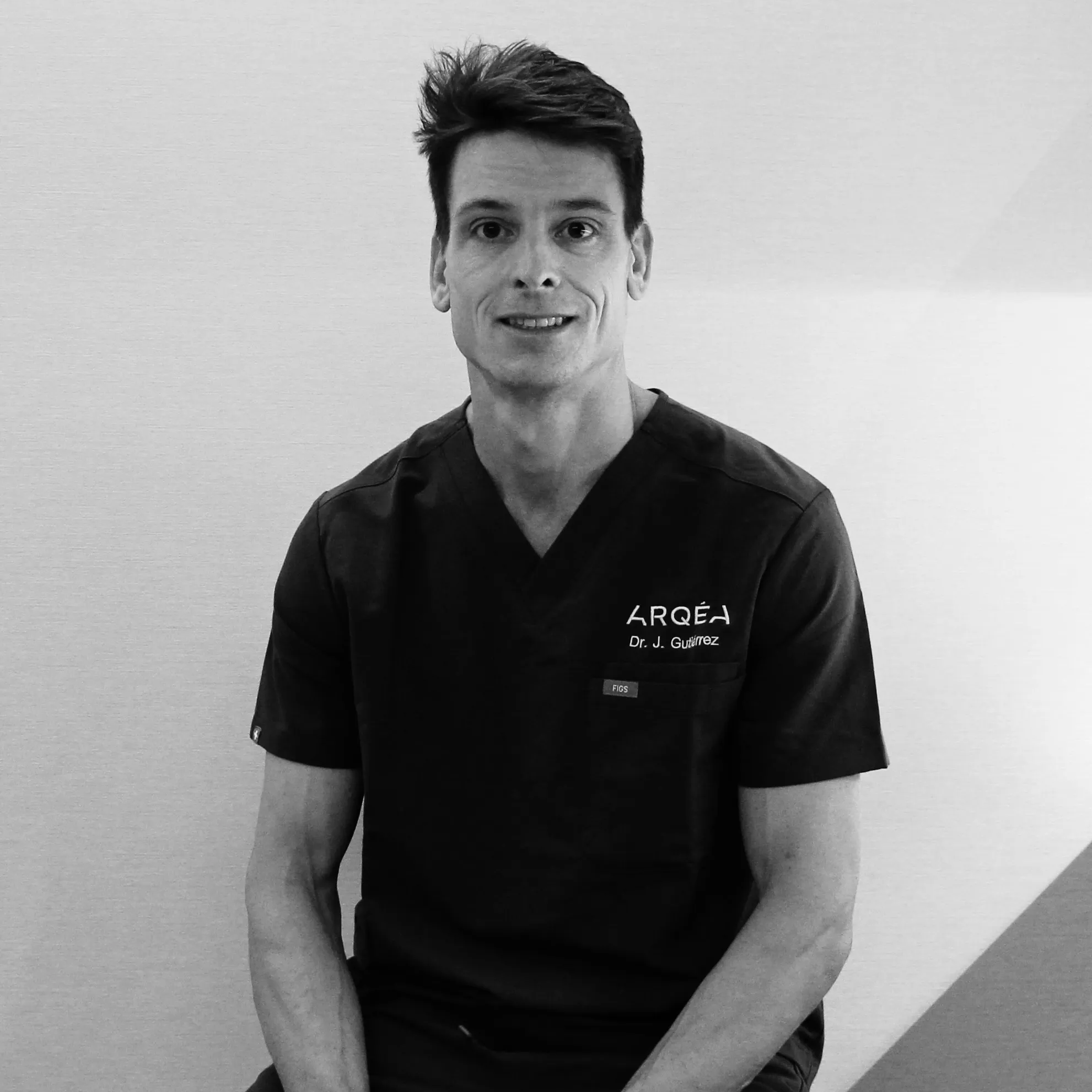
Dr. Javier Gutiérrez
Oral and maxillofacial surgeon and founder of ARQÉA. He performs every orthognathic surgery at the clinic himself. He co-founded MIOS Academy, where he teaches minimally invasive orthognathic surgery to other surgeons, and has published on combining orthognathic surgery with jaw contouring. He has operated on more than 500 orthognathic cases.
- MD, PhD and Fellow of the European Board of Oral and Maxillofacial Surgery
- Former senior surgeon at Facialteam for 11 years and founder of Facialteam Barcelona (2021 to May 2026)
- Over 17 years of experience, more than 1,050 facial surgeries and more than 3,000 procedures
- Trained at Hospital Universitari Vall d'Hebron, Barcelona
- Barcelona Medical Council, no. 08-43588
Frequently asked questions
How much does orthognathic surgery cost?
At ARQÉA single-jaw surgery costs €6,500, double-jaw €12,000, triple-jaw €13,500 and SARPE €4,000, with general anaesthesia and the surgical centre included. Double-jaw surgery with rhinoplasty costs €18,000.
What is the difference between single-jaw and double-jaw surgery?
Single-jaw surgery moves only the upper jaw or only the lower jaw. Double-jaw surgery moves both in the same operation. Which one you need is decided on your CT scan and 3D plan.
What is SARPE?
Surgically assisted rapid palatal expansion. It widens a very narrow upper jaw in adults when an expander alone (MARPE) is not enough: small cuts inside the mouth release the bone, and an expander placed by your orthodontist opens it gradually. It is usually a day case.
Can orthognathic surgery treat sleep apnoea?
In some cases of skeletal origin, yes. When it is indicated, it is the only treatment that cures it: a CPAP machine relieves the symptoms.
Will orthognathic surgery leave scars?
No visible ones. All the incisions are inside the mouth.
Do I need orthodontics?
Yes, orthognathic surgery is always coordinated with an orthodontist. Not every case needs braces before surgery: when your case allows, we work with surgery first, surgery early or surgery only protocols.
How much time off work will I need?
3 to 4 weeks, a little longer if your job is very physical or depends on your appearance. You can walk and talk from the first day; intense exercise not before 4 weeks.
What can I eat after orthognathic surgery?
A blended diet for the first two weeks, soft food until day 30 to 45 and nothing hard before two months.
Will my lip feel numb?
After lower jaw surgery the lower lip and chin may feel numb. It usually recovers over the following months.
What is minimally invasive orthognathic surgery (MIOS)?
An approach that reduces the dissection of muscles and soft tissue to the minimum necessary and preserves the muscle attachments and blood supply whenever the technique allows, with 3D planning, custom guides and plates, and an ERAS anaesthesia protocol. It is what Dr. Gutiérrez teaches at MIOS Academy.
Can it be combined with facial feminization or rhinoplasty?
In selected cases, yes. Jaw feminization can be done in the same operation, accessing the jaw only once. Rhinoplasty, done by Dr. Ramón Tarragona, surgeon at IM Clinic Gournay, is assessed case by case, because moving the upper jaw forward changes the base the nose rests on.
When will I see the final result?
The bite is corrected in theatre. The face keeps changing as the swelling goes down, and the final result is assessed at around a year.
How long do I need to stay in Barcelona?
If you live outside Barcelona, at least two weeks after surgery, so the team can supervise the first phase of bone healing before you travel.
Is there a minimum age?
The bone must have finished growing, which is assessed at the consultation.


